Global Virtual Teams
Cross-cultural collaboration, communication, coordination, leadership, and team effectiveness in digitally mediated work.
Teaching
I approach teaching as a developmental process in which students learn not only what to think, but how to collaborate, exercise judgment, and act responsibly when technology becomes an active participant in work.
I design experiential learning environments that integrate theory, practice, and reflection. Projects, simulations, and structured team-based work are paired with conceptual frameworks on leadership, teamwork, ethics, and decision-making so students can connect abstract ideas to organizational life.
A core principle of my teaching is that technology does not replace managerial judgment; it reshapes it. In the era of Generative AI, students need to learn when and how AI can augment their work while remaining accountable for outcomes, fairness, transparency, and ethical consequences.
My teaching style is interactive, inclusive, and feedback-driven. I use peer evaluations, reflection, iterative check-ins, and debriefs to help students build self-awareness and improve how they collaborate and lead.
In practice
My work with X-Culture spans both classroom teaching and programme leadership. Students work in global virtual teams on real business challenges across cultures, time zones, and technologies.
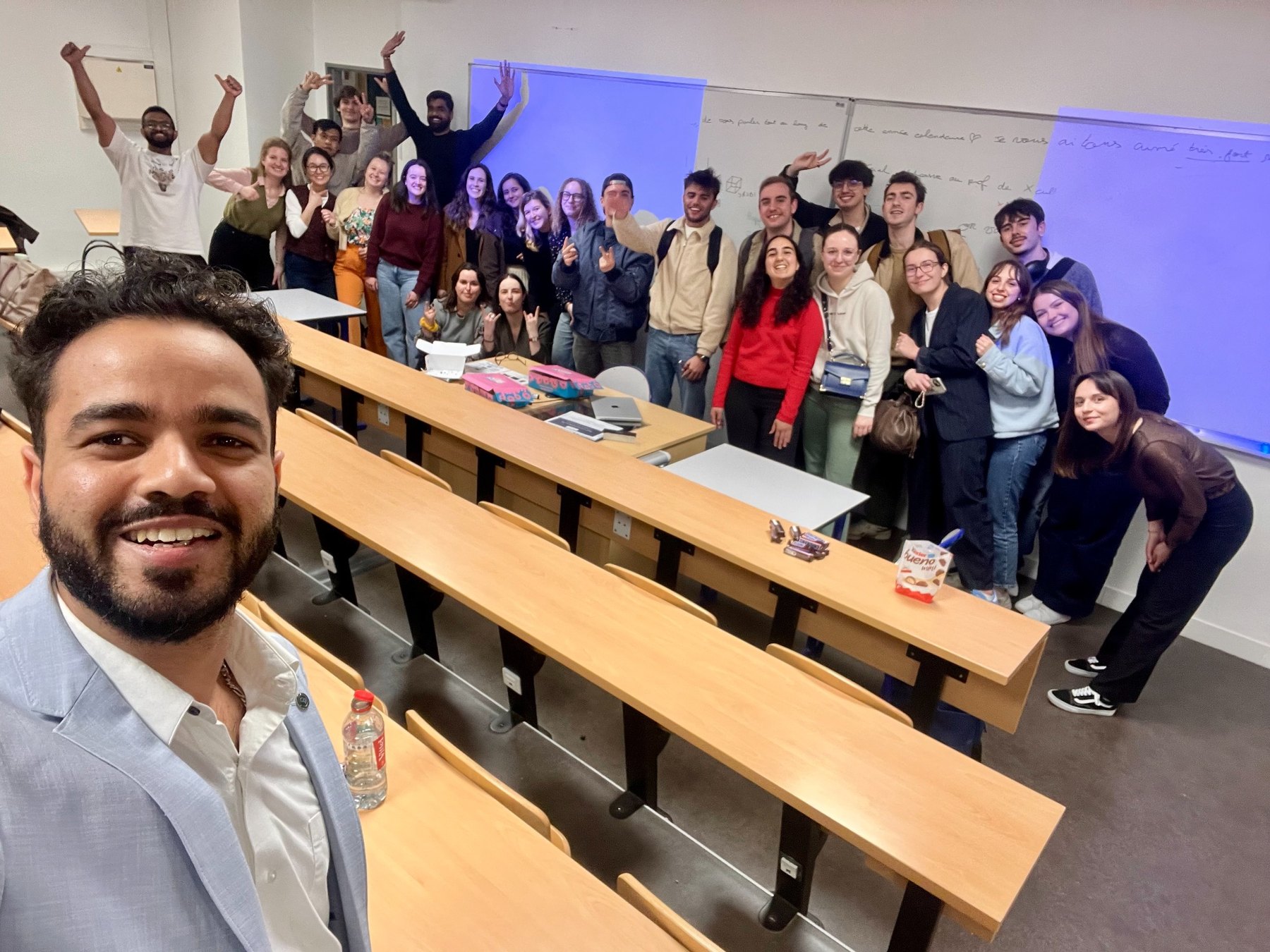
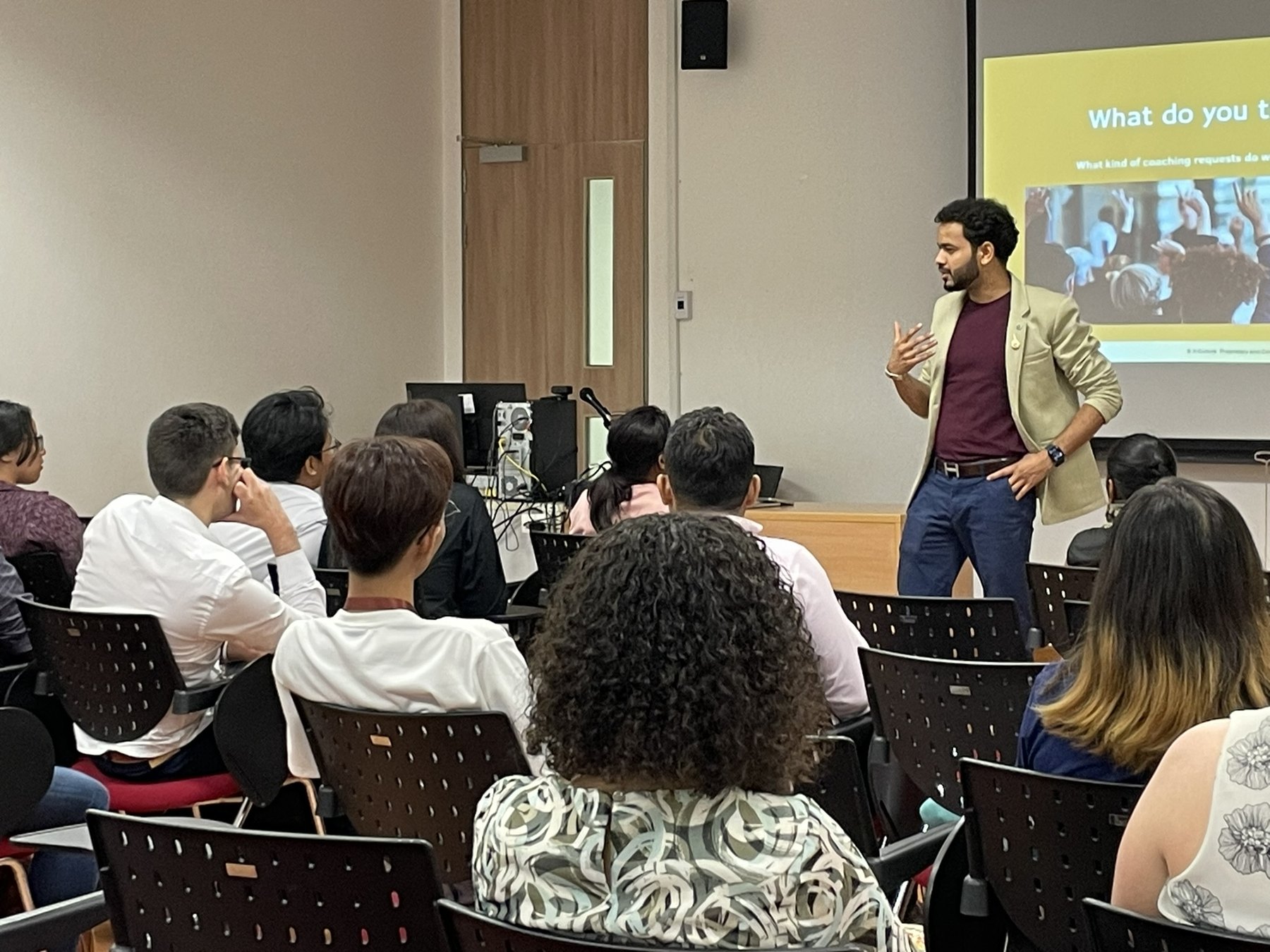
Top-ranked instructor among 197 instructors across the network, based on more than 100 performance indicators. The 2025-1 round involved 5,835 students from 161 universities in 41 countries across six continents, organized into 1,002 global virtual teams.
Teaching areas
Cross-cultural collaboration, communication, coordination, leadership, and team effectiveness in digitally mediated work.
Using GenAI as a learning and managerial tool while preserving judgment, accountability, academic integrity, and ethical awareness.
Learning-by-doing through real projects, simulations, negotiation exercises, guided reflection, and structured feedback.